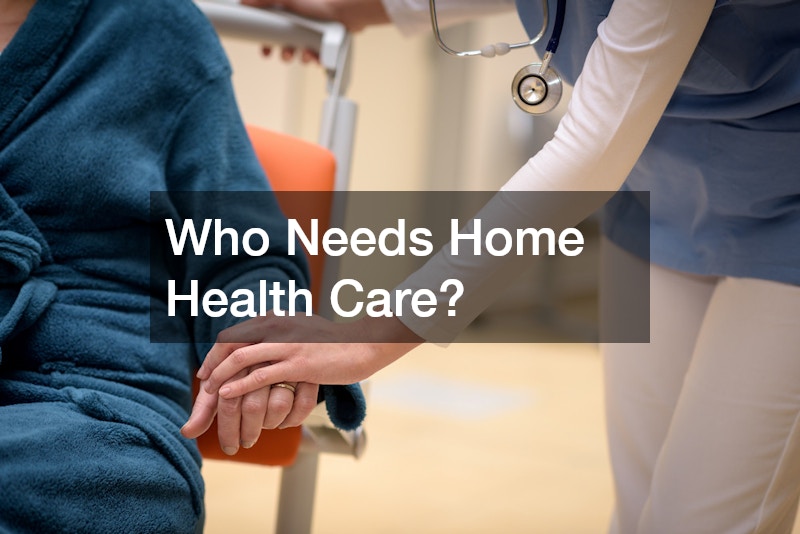
What is Home Health Care?
Defining Home Health Care
Home health care represents a wide array of medical and personal services delivered in the comfort of one’s home. It encompasses a range of services, including medical care, therapy, and assistance with daily activities. Home health care is tailor-made to cater to individuals’ specific health needs, allowing them to receive high-quality services without the necessity of hospital stays. This model of care brings substantial comfort to patients by permitting recovery within familiar surroundings while still being under professional care. The intimate setting not only helps in mental and emotional recovery but also reduces the risks associated with hospital-acquired infections.
Types of Services Offered
The array of services offered in home health care is expansive, addressing various needs of patients. They include skilled nursing, physical therapy, occupational therapy, and speech therapy, each supporting different recovery aspects. Caregivers also provide essential daily living assistance, such as bathing, dressing, and meal preparation, enhancing the quality of life for many. Additionally, home health care services might involve medical social services and an overall coordination of care, ensuring patients and families are well-supported. The goal is to provide comprehensive care that covers both medical and personal demands, fostering better health outcomes.
Who Provides Home Health Care?
Home health care is provided by a skilled team of healthcare professionals, each playing a vital role in ensuring quality care. Registered nurses, physical therapists, and certified nursing assistants are typically involved, delivering specialized medical attention and support. Furthermore, home health aides lend assistance with everyday living tasks, making life easier for those with limited mobility. Supervision and management by experienced medical professionals ensure that the care is both safe and effective. Through this collaborative team approach, home health care services can address the diverse needs of patients, offering holistic care solutions.
Difference Between Home Health Care and In-Home Care
It’s crucial to distinguish between home health care and in-home care, as they cater to different needs though they might sound similar. Home health care involves medical services supervised by healthcare professionals, providing advanced medical care and therapy within the home. In contrast, in-home care focuses more on personal and home management tasks rather than medical needs. In-home caregivers assist with activities of daily living, such as housekeeping, cooking, and personal hygiene but do not offer the medical or therapeutic services that home health care does. Understanding these differences can help families choose the most appropriate care for their loved ones’ needs.
Who Needs Home Health Care?
Elderly Individuals
Home health care services are particularly beneficial for elderly individuals, as they often face multiple health challenges. Aging may bring about a range of chronic conditions that require ongoing attention and management. Home health care allows for personalized and continuous monitoring, ensuring that elderly individuals receive the necessary medical interventions promptly. The ability to remain in their homes can significantly enhance emotional well-being and maintain independence, crucial factors for a better quality of life. Moreover, studies suggest that elderly patients recover at a faster rate and with fewer complications when they receive care in familiar surroundings.
Individuals with Chronic Illnesses
Chronic illnesses like diabetes, heart disease, and respiratory disorders require continual monitoring and management, making home health care ideal for affected individuals. Such conditions often necessitate regular medication administration, lifestyle modifications, and frequent health assessments. Home health care offers the support needed to adhere to complex treatment regimens without the discomfort of constant hospital visits. It also provides education on disease management, empowering patients to make informed decisions about their health. As a result, home health care can lead to improved management of chronic conditions, significantly enhancing patients’ quality of life.
Post-Surgery Patients
Post-surgery patients can benefit immensely from home health care services, which provide necessary recovery support in a personalized environment. Following an operation, patients require careful monitoring and rehabilitation to ensure proper healing and to prevent complications. Home health care professionals are equipped to facilitate wound care, administer medications, and conduct necessary physical therapy sessions to aid recovery. The comfort of being at home with support from family can also contribute positively to overall healing and well-being. With the assistance of home health care services, patients can recover with reduced stress, promoting quicker and more effective recovery outcomes.
Palliative Care Needs
Home health care plays a crucial role in providing palliative care, focusing on comfort and quality of life for individuals with serious illnesses. Palliative home care teams work alongside primary healthcare providers to manage symptoms and pain efficiently, allowing patients to maintain dignity and comfort in their own homes. By focusing on emotional, social, and spiritual support, palliative care goes beyond medical treatment, addressing the comprehensive needs of patients and families. The familiar home setting also allows patients to be surrounded by loved ones, a vital component of holistic palliative care. This setup enables a more personalized and compassionate approach, easing the challenges both patients and families face during difficult times.